


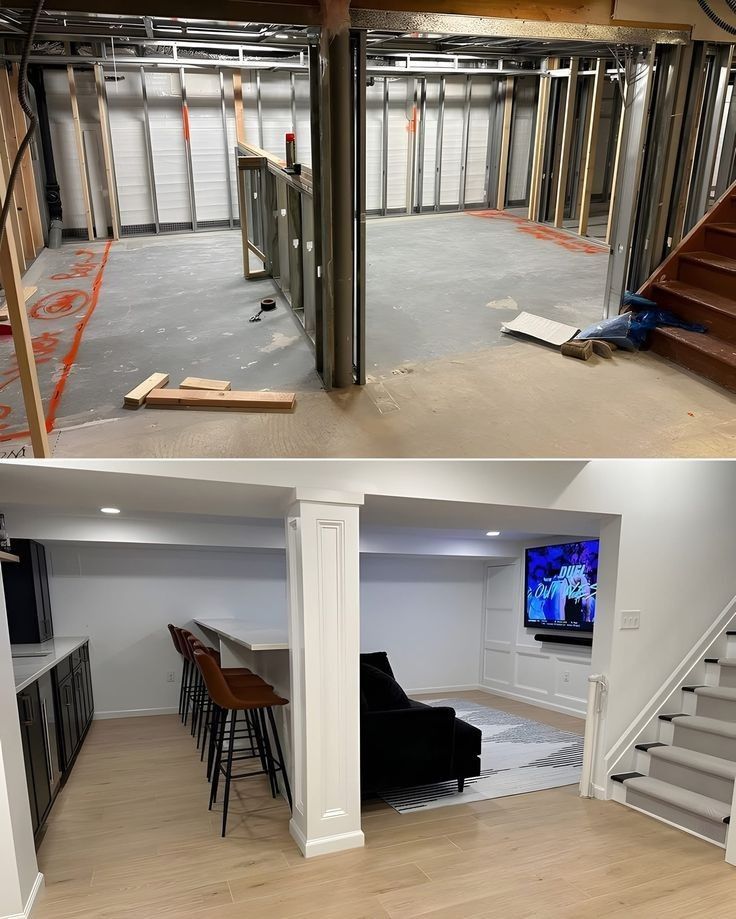
You drag wet snow boots downstairs, toss lake towels in a pile, and crank up a space heater so the kids can keep playing ping-pong. A few weeks later, you notice a musty smell and a little cupping along the basement floor. In our climate, that’s a familiar story—and exactly why people ask whether laminate is a smart choice below grade.
The honest answer: laminate can work in basements here, but only if you choose the right product and install it the right way. For Twin Cities families with cabins or lake homes, that “if” is especially important.
How Laminate Behaves in a Basement Climate
Traditional laminate has a wood-based core. That core is tough and affordable, but it doesn’t like standing water or long-term humidity. In a basement with concrete floors, exterior walls, and big temperature swings, you’re balancing three main risks:
- Moisture vapor coming through the slab
- Seasonal condensation on cool surfaces
- Spills, snow melt, or occasional seepage
Modern collections from brands like Mohawk and Pergo have changed the game with water-resistant and even waterproof constructions. When you browse Jensen’s laminate flooring options, you’ll see styles specifically designed to handle higher moisture and heavy foot traffic, which is exactly what a rec room or cabin bunk space needs.
The key is matching performance to how you really use the space. A lightly used TV room is one thing; a lakeside entry where kids drop dripping gear is another.
Basements vs. Cabins: Different Spaces, Similar Challenges
Year‑round basements and seasonal cabins share one big issue: moisture that doesn’t always show up as a big puddle. In a primary home, that might be humid summer air condensing on cool concrete. In a cabin, it may be weeks of closed‑up, unconditioned space between visits.
For some areas, a fully waterproof surface gives extra peace of mind. If you’re weighing laminate against vinyl or hybrid products, Jensen’s waterproof filter makes it easy to compare. You can narrow your search to floors built for spills and damp conditions with the waterproof flooring selection.
Cabin owners often ask, “What if the power goes out and the dehumidifier shuts off?” In those scenarios, it’s less about a single event and more about prolonged humidity. That’s where better‑engineered laminate or alternate waterproof constructions become worth the upgrade.
Why Subfloor Prep Matters More Than the Plank
Even the best laminate can fail if it’s installed over a damp, uneven base. In a lower level, subfloor prep is as important as the product itself. A few things a good installer will check:
- Moisture levels in the concrete or wood
- Cracks, dips, and high spots that can stress the locking system
- Existing materials that might trap moisture underneath
Professional crews know when to add a vapor barrier, when to use underlayment, and when to recommend an alternate material because the slab simply isn’t ready. Jensen’s team lays this out in their guidance on professional flooring installation, including how proper prep protects your warranty.
If you’re thinking of a DIY weekend at the cabin, it’s tempting to skip testing and just start clicking planks together. In our freeze‑thaw cycle, that shortcut can show up later as swelling, gaps, or soft spots.
Getting the Most Life From a Basement Laminate Floor
Once the right material is down on a sound, dry subfloor, care and maintenance are straightforward. Sweep grit that could scratch the wear layer, wipe up spills promptly, and run a dehumidifier in the most humid months. For homes that see muddy boots, pets, and frequent guests, periodic deep cleaning on adjacent surfaces can also help keep the whole lower level fresh.
If your space has already seen its share of minor water issues, you might pair new flooring with periodic help from a pro. Jensen’s carpet and hard-surface cleaning service also handles water damage cleanup, which can be a safety net for finished basements and lake homes.
In the end, laminate can absolutely earn its place downstairs in northwest Wisconsin and neighboring Minnesota—especially when you choose moisture‑savvy products and respect what your subfloor is telling you. If you’d like tailored advice for your specific basement or cabin, you can start by requesting a free estimate and talk through options with Jensen’s flooring specialists.


