


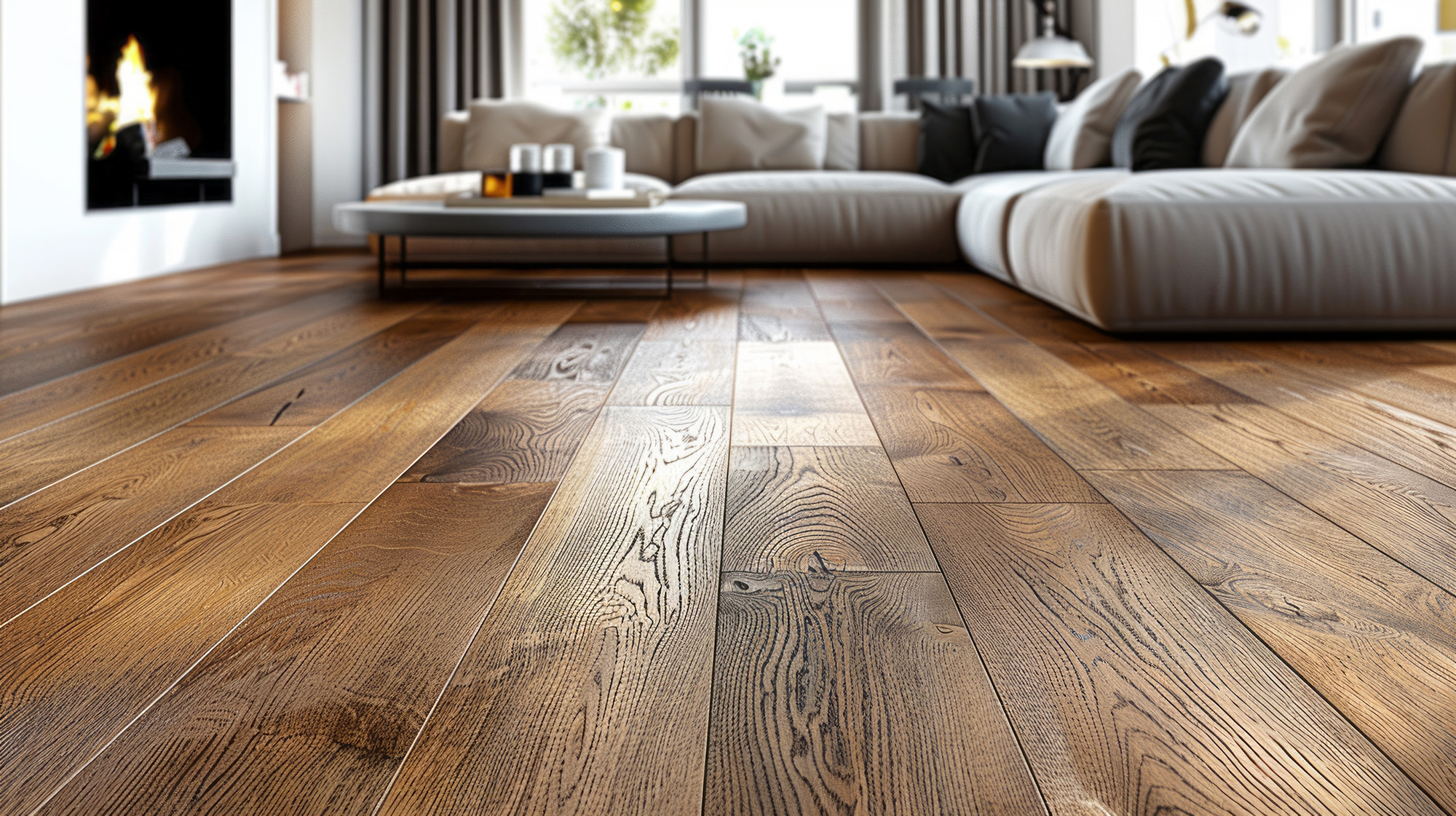
Picture a February thaw. Snowmelt seeps toward your foundation, the dehumidifier hums nonstop, and you’re wondering if real wood floors in the basement are a smart idea or an expensive mistake waiting to happen. That’s the exact crossroads many homeowners in this part of the state find themselves at when deciding between engineered and solid hardwood below grade.
Basements here are rarely bone-dry. Between high water tables, humid summers, and cold concrete slabs, any wood product has to handle movement and moisture without warping, cupping, or gapping. Understanding how solid and engineered planks are built is the first step to choosing a floor that stays beautiful instead of buckling.
How Construction Affects Performance Below Grade
Solid hardwood is exactly what it sounds like: one piece of wood from top to bottom. It can be sanded and refinished multiple times, which is a big plus for longevity upstairs. In a basement, however, that single piece of lumber expands and contracts significantly as temperature and humidity change. On a concrete slab that naturally wicks moisture, that movement can lead to cupping, squeaks, and even separated boards.
Engineered wood uses a real hardwood wear layer attached to multiple cross‑layered plies underneath. Those layers are arranged so the grain runs in different directions, which dramatically stabilizes the board. That stability is why many manufacturers specifically rate engineered products as suitable for below‑grade installations, while solid options are often limited to main and upper floors. If you want to compare real‑wood looks that are built with this layered construction, Jensen’s hardwood flooring collection includes both solid and engineered choices from brands like Mercier, Mohawk, and Armstrong.
Moisture, Subfloors, and Installation Methods
Basement slabs in this region are rarely perfectly dry, even if you’ve never had standing water. Moisture vapor continuously moves through concrete, and that invisible movement matters. Solid boards typically require nail‑down installation over a wood subfloor, which means you either need an existing raised platform or you’re building one—adding height and cost, and still not fully addressing vapor concerns.
Engineered planks open up more basement‑friendly methods. Many products allow for glue‑down or floating installation over concrete using appropriate underlayments and moisture barriers. A floating system, in particular, can “move as a unit” with seasonal changes instead of stressing individual boards. The right choice depends on your slab condition, humidity levels, and whether you’ve had past water issues. Jensen’s team outlines how to evaluate subfloors and why method matters in their guide to professional flooring installation, which is especially useful if you’re comparing options for a lower level.
When Engineered Hardwood Makes Sense—and When It Doesn’t
For many basements in rural Northwest Wisconsin, engineered wood is the most realistic way to get genuine hardwood underfoot. It offers:
- Improved stability against seasonal humidity swings
- Compatibility with concrete slabs using appropriate underlayments
- Real wood visuals that match or complement floors on upper levels
That said, it’s not bulletproof. A significant flood, failed sump pump, or long‑term seepage can still damage engineered planks. If your lower level has a history of water intrusion or you’re finishing a lake‑adjacent space where wet boots and dripping gear are the norm, it may be wiser to look at high‑end alternatives that mimic wood but handle moisture better. Products in Jensen’s laminate flooring options and luxury vinyl categories include water‑resistant and waterproof styles that often perform better in spaces with elevated risk.
Planning for Real Life: Kids, Pets, and Long Winters
Choosing between solid and engineered hardwood isn’t only about the structure of the plank; it’s also about how you’ll actually use the space. A quiet guest suite with occasional visitors has different demands than a year‑round family hangout with kids, pets, and a walk‑out patio to the backyard. If your basement will see constant traffic, rolling toys, and the occasional spilled drink, a durable finish and appropriate maintenance plan matter as much as the core construction.
One advantage of working with a full‑service flooring store is that the conversation doesn’t end on install day. Jensen’s cleaning division brings decades of experience to hard surface and wood floor maintenance, which helps floors in high‑use basements stay in good shape through years of snow, salt, and sand tracked in from outside. Pairing the right product with a realistic care routine often makes the difference between a floor you worry about and one you simply enjoy.
In the end, engineered hardwood is typically the safer choice for basements, while solid planks are better reserved for levels above grade—especially in a climate with big swings between January and July. If you’re weighing those trade‑offs for your own lower level, you don’t have to decide alone. You can walk through specific products, subfloor conditions, and moisture concerns with a specialist by starting with a quick free flooring estimate request.


